How to Clean Composite Decking Safely

How to Clean Composite Decking featured image

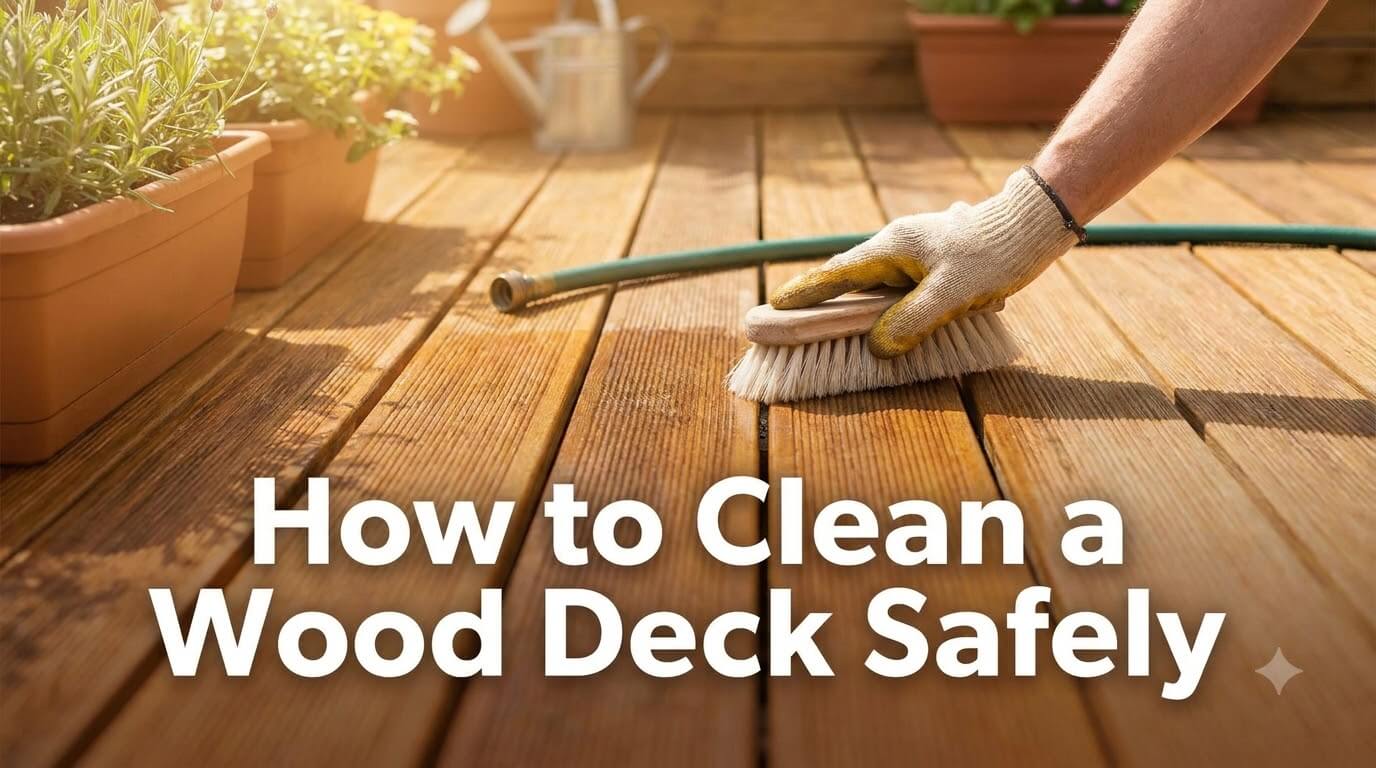
Composite decking needs a gentler and more product-specific approach than many homeowners expect. The safest method is to identify the board line, check its care instructions, remove dry grit first, use an approved cleaner with a nonabrasive brush, and rinse before dirty water can dry into a film. This method is intended for sound composite … Read more
How to Clean a Concrete Patio Safely

How to Clean a Concrete Patio featured image

A concrete patio usually needs less force than its stains suggest. Begin by confirming that the surface is poured concrete, checking whether it is sealed or coated, and removing every bit of loose grit before water touches the slab. This method is intended for routine dirt, pollen, mud, food residue, fresh grease, bird droppings, leaf … Read more

Outdoor Cleaning and Maintenance Guide

Outdoor Cleaning and Maintenance Guide featured image

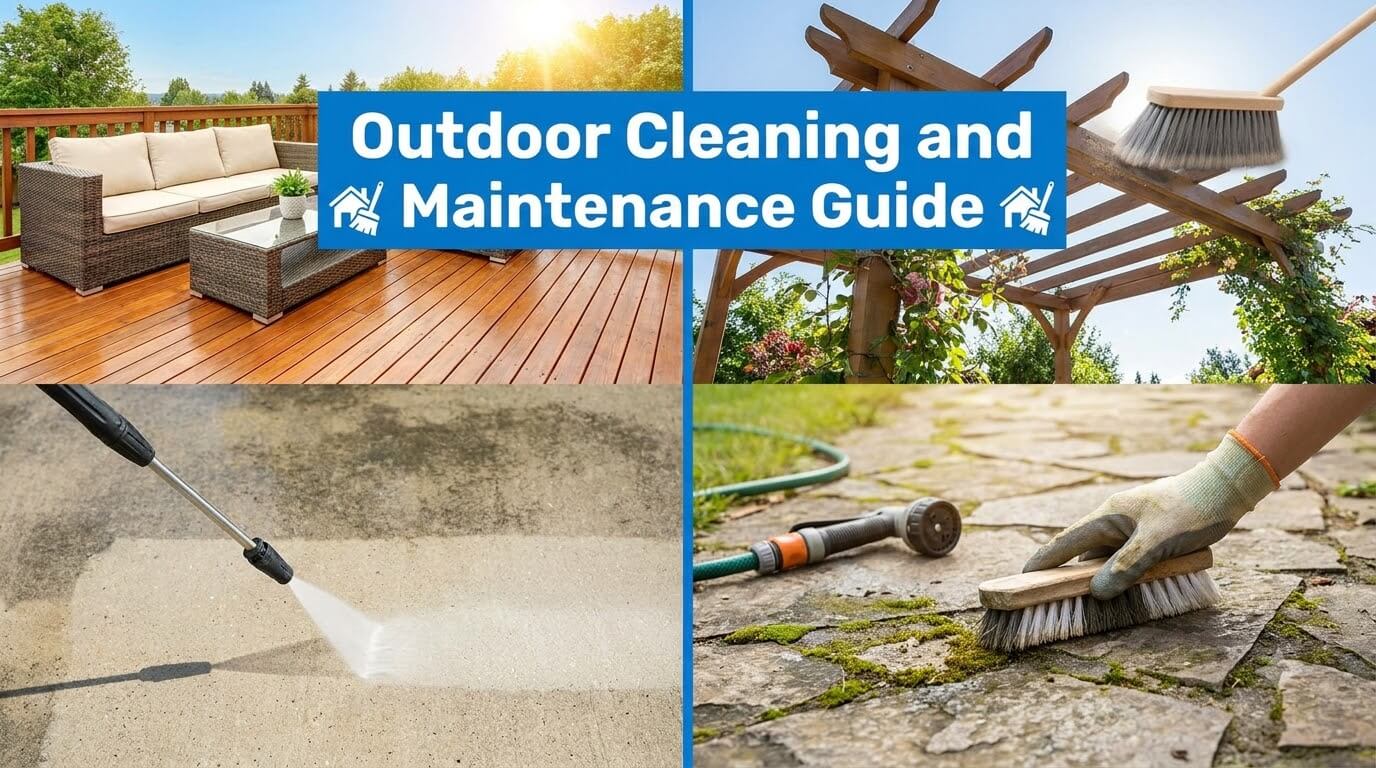
Outdoor cleaning is safer when you begin with the material, not the mess. Concrete, wood, steps, and cushions need different cleaners, tools, water levels, and drying conditions. The goal is to remove residue without damaging finishes, driving water into vulnerable areas, creating uncontrolled runoff, or mistaking deterioration for dirt. This guide gives you a complete … Read more

How to Clean Exterior Windows Safely

How to Clean Exterior Windows Safely featured image

Exterior window cleaning begins with a reach decision, not a bucket of cleaner. A ground-floor pane that can be reached while both feet stay on level ground is a different job from a second-story window above a slope, roof, balcony edge, or overhead wire. This guide covers routine outdoor soil such as dust, pollen, cobwebs, … Read more

How to Remove Hard Water Spots From Windows Safely

How to Remove Hard Water Spots from Windows featured image

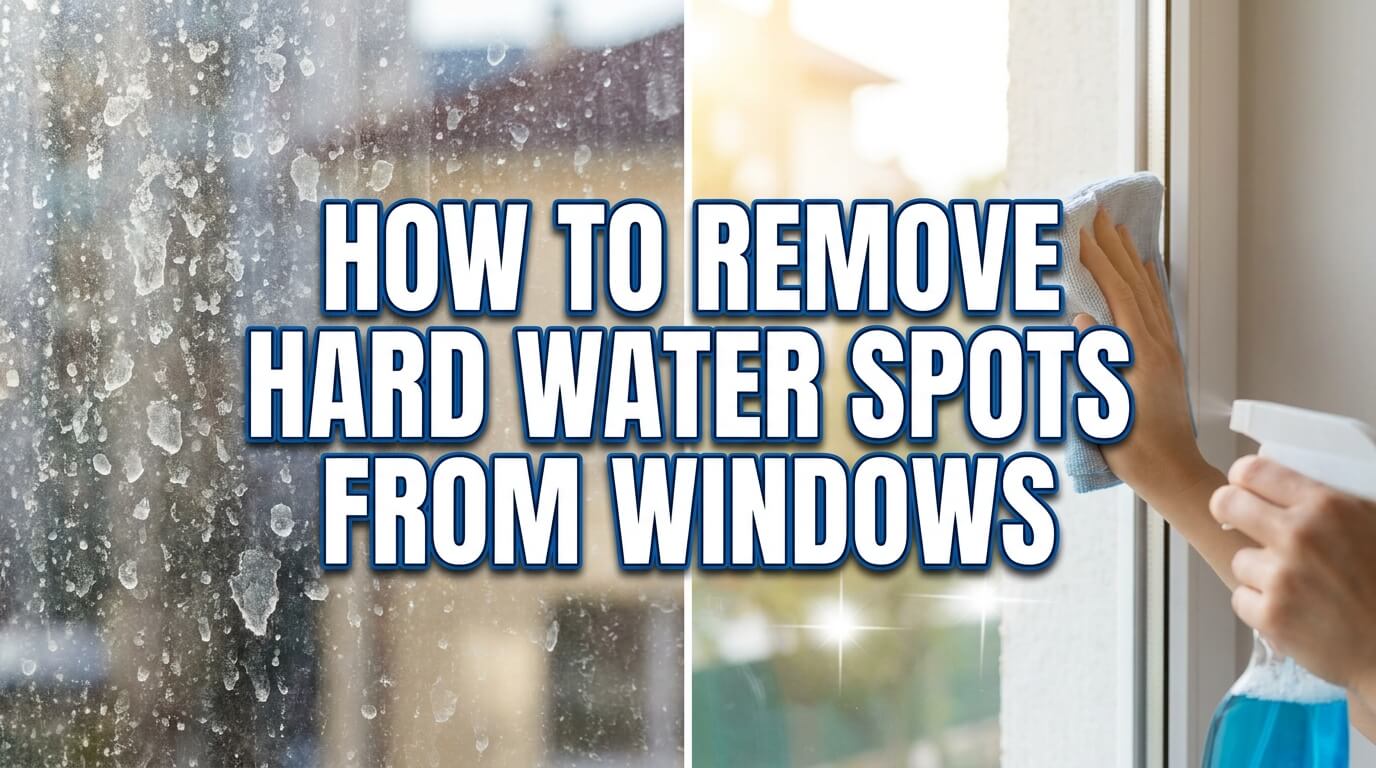
White dots, cloudy rings, or a chalky film that remains after ordinary window cleaning may be hard-water residue. The safest response is not to scrub harder. First confirm that the mark sits on the reachable glass surface, identify any tint or coating, protect the surrounding frame and sill, and test the mildest approved treatment on … Read more

How to Clean Sliding Glass Doors Safely

How to Clean Sliding Glass Doors featured image

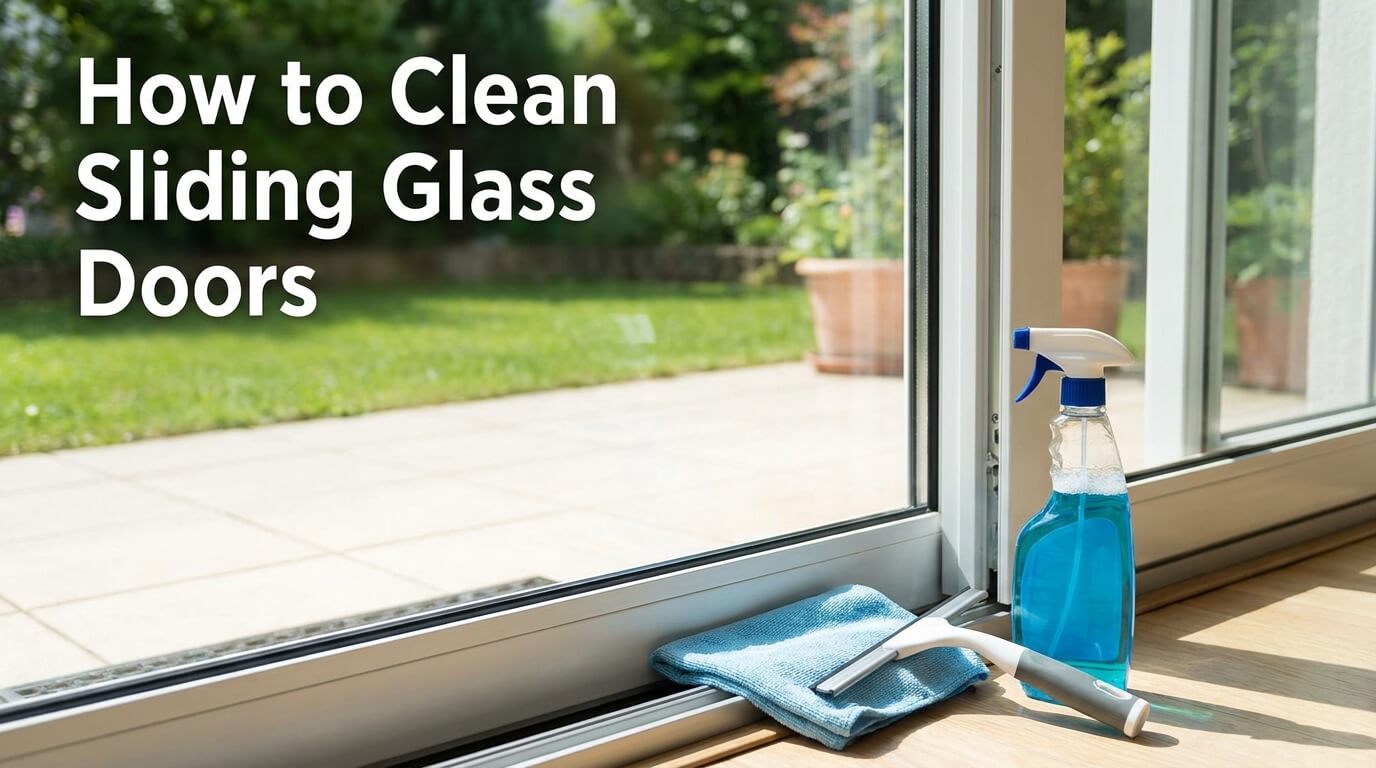
A sliding glass door collects several kinds of soil at once. The pane shows fingerprints and pet nose marks, the frame gathers dust, the threshold catches outdoor grit, and the narrow track can hold hair, insects, crumbs, and dried mud. Cleaning only the glass may improve the view while leaving the moving parts surrounded by … Read more

How to Clean Roller Shades Without Damage

How to Clean Roller Shades featured image

Roller shades look simple because they use one continuous sheet of material, but the sheet may be vinyl, woven polyester, solar mesh, coated blackout fabric, or a specialty material that reacts badly to water. The shade is also attached to a tube, clutch, spring, cord system, or motor that should stay dry and undisturbed. The … Read more

How to Clean Curtains by Fabric Without Damage

How to Clean Curtains by Fabric featured image

Curtains collect airborne dust, pet hair, cooking film, fingerprints, and sill debris. Years of sunlight can also weaken fibers before visible wear appears. The right cleaning method depends on the care label, face fabric, lining, coating, trim, hardware, and overall construction. Routine vacuuming may be enough for a delicate panel. Wash only when the instructions … Read more

How to Clean Window Sills by Material Safely

How to Clean Window Sills by Material featured image

Window sills collect dust, pollen, insect debris, fingerprints, water rings, and condensation residue. The challenge is that two sills that look similar may react very differently to water, acids, abrasives, or strong cleaners. The safest approach is to identify the material and finish, remove loose grit while dry, test the mildest suitable method in a … Read more